
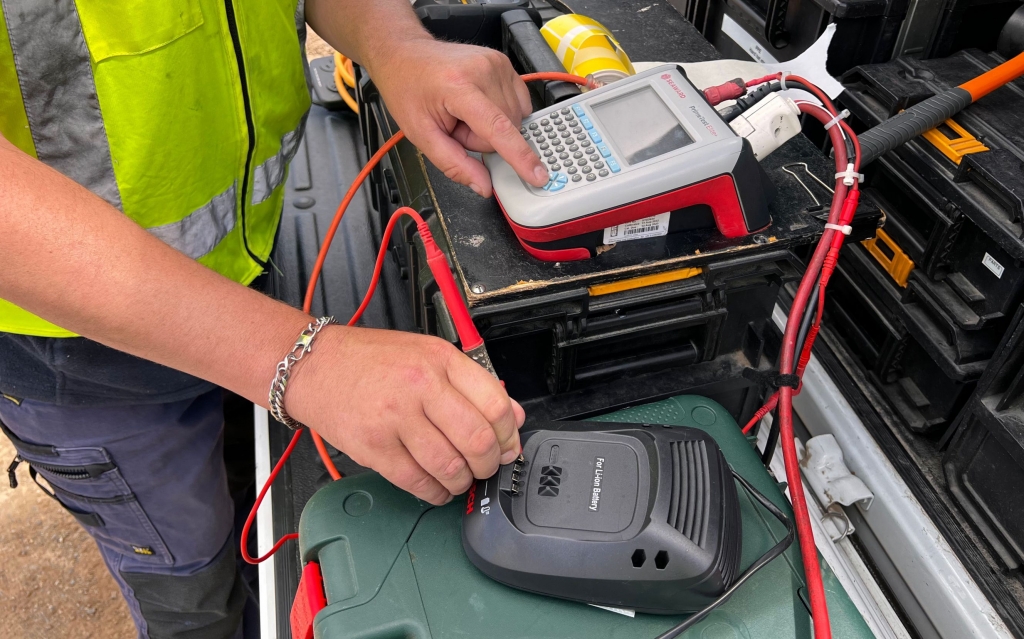
Portable appliance testing (PAT) involves inspecting and electrically testing portable appliances to ensure they’re safe to use. The testing process is carried out in accordance with AS/NZS 3760, or AS/NZS 3012 for workplaces where electrical installations are in progress, including construction and demolition sites.
We conduct PAT testing with a portable appliance tester to ensure each appliance is in safe condition. Items that pass are tagged to confirm compliance, while any faults are clearly identified so corrective action can be taken.
Why electrical testing matters for workplace safety
Every year, people are injured or killed due to unsafe electrical equipment. While you can identify some safety defects visually, many electrical faults aren’t visible and can only be detected through proper testing.
Regularly testing tools, appliances, and equipment helps eliminate unnecessary risk and reduce the likelihood of workplace injury or damage. Electrical appliance testing also provides documented evidence that you have taken reasonable steps to maintain a safe working environment, which is important should an incident or investigation occur.
Protect employees and visitors while supporting your duty of care as a business owner. Learn more about why workplaces need portable appliance testing.
What type of appliances need to be tested?
All portable or hand-held electrical equipment used in the workplace should be tested. This includes power tools, office and IT equipment, and small appliances.
Our testing procedure typically includes:
- A visual inspection for damaged plugs, cords, extension leads, and casings
- Earth continuity testing to confirm the appliance is properly earthed (where applicable)
- Insulation resistance testing to check that current isn’t leaking from internal wiring
- Polarity checks to ensure correct wiring (where required)
- Functional checks to confirm the appliance operates as intended
How often does portable equipment need to be tested?
Testing frequency varies depending on the work environment and the type of equipment in use. The following frequencies are based on the requirements set out in AS/NZS 3012 for construction and demolition sites:
- Portable equipment should be tested every 3 months
- Hire equipment must be tested prior to hire and at least monthly
- Portable RCDs should be tested every 3 months
Appliances should always be checked before first use, and again after repair or servicing. For testing frequency requirements across other work environments, see our testing and tagging services page.
What standards apply to electrical testing in New Zealand?
PAT electrical testing is governed by AS/NZS 3760, a joint Australian and NZ standard. These regulations outline the in-service safety inspection and testing requirements for electrical equipment.
We carry out electrical testing in accordance with the standard, which includes appropriate testing methods, testing intervals, and accurate record-keeping. Our technicians provide a logbook of results and ensure all testing is completed consistently and correctly.
Why choose Jim’s Test & Tag?
At Jim’s Test & Tag, our technicians are trained to work to the latest industry standards and stay up to date with current electrical safety requirements.
Our PAT testing services include scheduled maintenance reminders to help you stay on top of your testing obligations, along with data management services that record all testing results. Clients receive clear, comprehensive records and minimal disruption to their day-to-day operations.
Get a free quote online or contact us at 0800 454 654.